
Planning a Remodel or Home Addition in Central Indiana: What Homeowners Should Know Before Starting
A remodel or addition usually starts with a simple question: how can this home work better? If you’re planning a remodel in Central Indiana, smart preparation helps clarify the scope, budget, timing, selections, and decisions that shape the project.
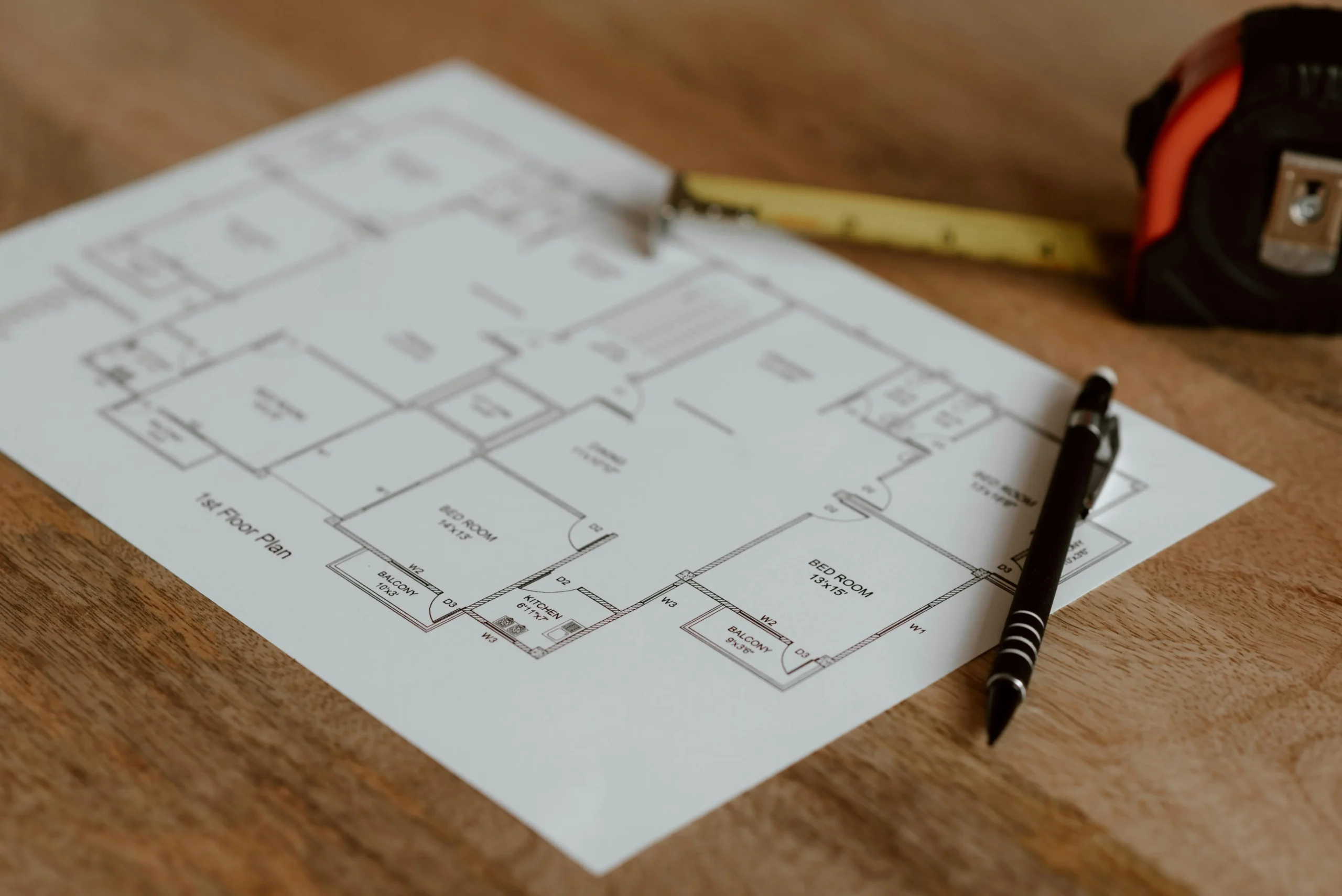
Before Construction Begins, Planning Comes First
A remodel or addition often starts with a simple frustration — not enough kitchen storage, a bathroom that no longer fits daily routines, a basement with unrealized potential, or a home that needs more space for a new season of life. The vision may be clear. The need may be real. But before construction begins, the project needs clarity around scope, budget, design direction, timing, selections, and what to expect along the way.
The difference between a project that feels organized and one that feels chaotic often comes down to planning that happens before the first wall is opened.
A SUCCESSFUL REMODEL DOESN'T START WITH DEMOLITION. IT STARTS WITH CLARITY.
A Good Remodel Starts Before Construction Begins
Here’s what many homeowners don’t realize: planning is not a delay. It’s part of the work.
When a contractor arrives at a project, they need to know what’s changing. Are walls being removed or added? Is plumbing or electrical being relocated? Are layout changes affecting floors, ceilings, or structural elements? Which selections have been made, and which still need decisions?
The Planning Reality
Most budget and timeline problems don’t begin during construction. They usually start earlier, when scope, selections, existing conditions, or expectations were not clear enough before the work began.
Early, organized planning brings these concerns into the open before they become problems mid-project.
Start With the Reason Behind the Project
Before scope, budget, or timelines, there is a simpler question: why does the project matter?
A remodel or addition solves a problem or opens a new possibility. Sometimes it’s practical — a kitchen layout that wastes steps, a bathroom that no longer accommodates daily routines, a basement that could be livable, or a home that needs more bedrooms. Sometimes it’s about lifestyle — a new remote work setup, aging parents moving in, children heading to college, or a gathering space for family.
When a contractor understands the “why,” they can ask smarter questions and help shape solutions that actually serve the homeowner’s life.
Define the Scope Before Chasing Prices
One of the most common mistakes is asking for a price before defining what is being priced. Before you chase pricing from multiple contractors, you need to be clear about what you’re actually asking them to price.
Vague
“We want to update our kitchen.”
Clearer
“We want to remove the wall between the kitchen and dining room, add a large island with seating, relocate the refrigerator and dishwasher, replace all cabinets with custom storage, update lighting throughout, and replace the flooring.”
Until you can describe your project this clearly, pricing is premature. This doesn’t mean every detail needs to be locked. It means enough clarity exists that your contractor can understand the work that will be involved.
Budget Planning Comes Before Final Design
Before you fall in love with a design inspiration you found online, have a realistic conversation about budget.
WHAT USUALLY DOESN'T GO WELL
- Homeowner falls in love with design inspiration online.
- Designer creates beautiful renderings.
- Contractor prices the design.
- Price comes back higher than expected.
- Homeowner is caught between the vision and the budget.
A BETTER PATH
- Homeowner articulates the problem and the “why.”
- Budget range is discussed early.
- Design direction is developed with that budget in mind.
- Selections are made thoughtfully.
- Pricing reflects actual scope and selections.
WHAT HOMEOWNERS OFTEN MISS
The visible finishes are only part of the investment. Behind cabinets, tile, flooring, fixtures, and trim are framing, prep work, rough-ins, trade sequencing, waterproofing, substrate preparation, inspections, material lead times, and existing conditions that all affect the final cost.
CONTRACTOR PERSPECTIVE
At Ntegrity Builders, we would rather have the hard budget and scope conversations early than let a homeowner fall in love with a plan that doesn’t match the project reality. That doesn’t mean cutting corners or shrinking every idea. It means understanding the tradeoffs before money is spent in the wrong direction.
Additions Require More Than Extra Square Footage
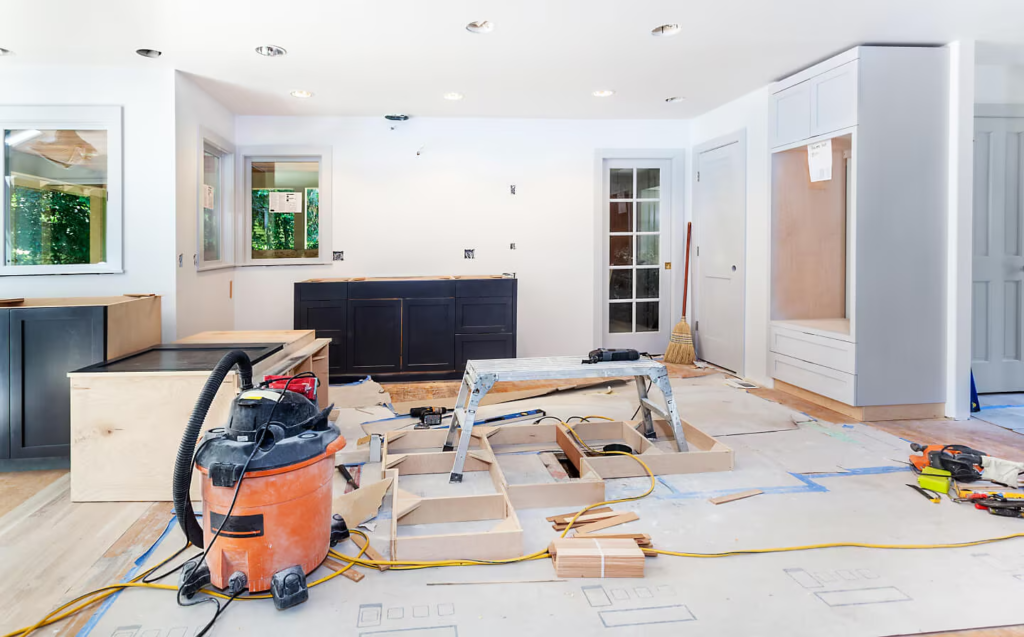
Before you assume an addition is just adding square footage, understand what actually goes into it. Home additions often involve more complexity than homeowners expect.
The finished room may look simple, but the work behind it has to tie into the existing house safely, cleanly, and in the right sequence. The goal is not just to add square footage. The goal is to make the new space feel like it belongs there.
- Foundation and site work
- Structural framing
- Roof tie-in
- Exterior materials
- HVAC capacity
- Electrical load
- Plumbing
- Drainage and grading
- Zoning and setbacks
- Permit review
Central Indiana Homeowners Should Consider These Factors When Planning a Remodel
Central Indiana is a diverse region. Carmel, Fishers, Noblesville, Westfield, Zionsville, Indianapolis, and nearby communities can each bring different planning considerations.
JURISDICTION AND PERMITTING
Permitting steps, zoning requirements, review expectations, and inspection processes can vary by community.
OLDER HOME CHARACTERISTICS
Older homes may have different systems, materials, and existing conditions that affect scope and budget.
NEWER HOME CHARACTERISTICS
Subdivision homes may involve HOA requirements, drainage patterns, or engineered structural systems.
WEATHER AND SEASONAL TIMING
Indiana weather can affect outdoor work, concrete, roofing, excavation, and deliveries.
SOIL AND DRAINAGE
Site and drainage questions should be reviewed before a project moves too far forward.
NEIGHBORHOOD CONSIDERATIONS
Exterior materials, colors, setbacks, or HOA reviews may shape the planning path.
Decisions That Should Happen Early
A homeowner doesn’t need to have every answer before talking with a contractor. But they should be ready to discuss:
ABOUT THE PROBLEM
What part of your home is frustrating you? What problem are we solving? What does success look like?
ABOUT SELECTIONS
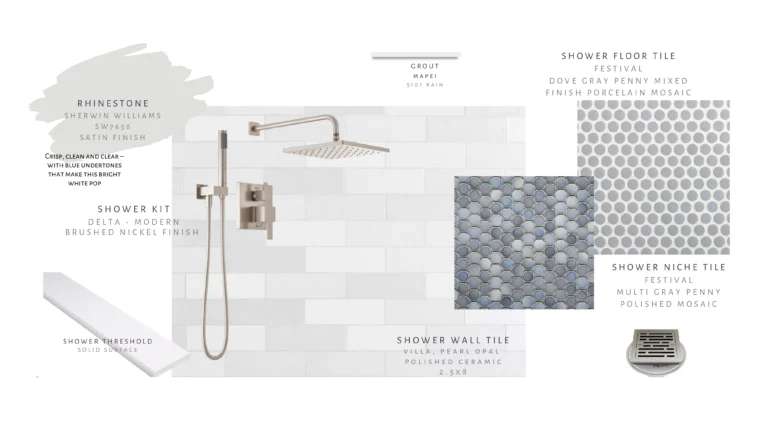
What style direction, fixtures, finishes, or vendors need early decisions?
ABOUT THE BUDGET
What’s your comfort zone? What matters most? What’s flexible?
ABOUT THE SCOPE
Which spaces are included? Are utilities, layout, walls, or systems changing?
ABOUT TIMING
When are you hoping to start? Are there deadline constraints?
ABOUT LIVING THROUGH CONSTRUCTION
Can you stay in the home? Do you need temporary kitchen, bath, or workspace plans?
Why Design + Build Helps With Planning
If you’re trying to decide between traditional remodeling and design + build, here is what matters for your planning process: a design + build approach connects design, budget, feasibility, and scheduling from the beginning.
For a deeper explanation of how design + build works and how it coordinates planning through construction completion, see The Design + Build Process Explained: A More Coordinated Way to Remodel.
When to Talk With a Contractor
Before you get too far into planning based on assumptions, it is worth talking with a contractor. You don’t need to have the perfect plan before reaching out.
GOOD TIMING
- You know the problem you want to solve.
- You are planning a larger remodel or addition.
- You need help understanding feasibility.
- You want expert input before making design decisions.
STILL EARLY?
- Your goals and budget comfort zone need alignment.
- You are still gathering inspiration.
- A discovery call can help clarify the next step.
Final Thoughts
Planning protects the project. It helps homeowners understand what they are investing in and why. It gives the contractor the information needed to provide honest pricing and realistic schedules.
If you’re considering a remodel or addition in Central Indiana, take time to think through these fundamentals. The planning work you do now will shape how the project feels later.
Planning a Remodel or Home Addition in Central Indiana?
Ntegrity Builders can help you think through the scope, budget, timeline, and next steps before construction begins.
Frequently Asked Questions
When should I contact a contractor about a remodel or addition?
You can start the conversation once you know the problem you want to solve, even if you do not have every detail figured out yet.
Do I need drawings or a design before getting a price?
Not necessarily before an initial planning conversation. Before a formal proposal, the scope needs to be clear enough that both sides understand what is being priced.
Why can two similar remodeling projects cost different amounts?
Scope differences often hide behind similar descriptions. Existing conditions, selections, layout changes, and trade requirements all affect pricing.
What should I know before planning a home addition?
Additions involve foundation, framing, roof tie-in, exterior materials, mechanical and electrical expansion, permit review, and connections to existing systems.
How long does planning typically take before construction begins?
This varies depending on project scope and complexity.
Can I live in my home during a remodel?
For many projects, yes, but temporary arrangements should be discussed early.
What information should I have ready before a discovery call?
If you’re planning a remodel in Central Indiana, be ready to discuss the problem you’re solving, which spaces are involved, your general budget comfort zone, any timeline constraints, whether you can live in the home during construction, and any known existing conditions.