DESIGN + BUILD REMODELING
A well-executed project starts long before the finish work begins.
Most remodeling stress doesn’t begin when construction starts. It begins much earlier — when the scope is unclear, the budget doesn’t match the vision, decisions are made too late, or homeowners are left trying to coordinate people who should already be working together.
For homeowners planning a larger project, the design build process can make the path from the first conversation to the finished work feel more organized, less reactive, and easier to understand.
That is why the way a project is planned matters as much as the way it’s built.
A remodel isn’t just cabinets, tile, paint, and fixtures. It’s plumbing locations, electrical layouts, flooring transitions, structural questions, cabinet lead times, permit timing, existing conditions, selections, schedules, and coordination between trades. When those pieces aren’t addressed early, the homeowner often feels the impact later — through delays, budget surprises, or decisions that have to be made too quickly under pressure.
A design build process brings those conversations into one more organized path. The design build process helps connect planning, budgeting, selections, and construction before work begins.
This doesn’t mean every unknown disappears. Remodeling existing homes always involves some uncertainty. But better planning helps reduce the confusion that comes from vague scope, late decisions, and disconnected communication — the kind of confusion that can turn an exciting project into a stressful one.
Design build means the planning and construction sides of a project are handled as a connected process rather than treated as separate, independent steps. In practical terms, the design build process connects early planning conversations with the construction decisions that follow.
In a more fragmented approach, a homeowner might work with one person on layout and design, another on pricing, and another on actually building the project. If those conversations don’t align — and they often don’t — the gaps show up on the jobsite. A design may not be priced realistically. A layout may not be reviewed for structural feasibility. Selections may be finalized too late and hold up the schedule.
The connections between decisions are real. A cabinet layout affects where outlets need to go. Moving a sink affects plumbing, flooring, and schedule. A tile choice can require additional substrate preparation. A wall removal may raise structural questions that need to be answered before demolition begins. A flooring change can create transition issues with adjacent rooms.
With design build, those details are considered together earlier in the process. The point isn’t to make remodeling more complicated. The point is to make it clearer — so that by the time construction begins, the important decisions have already been worked through as much as possible, and the people doing the work are operating from the same plan.
Demolition feels like the start of a remodel. In reality, many of the most important decisions should already be made before the first wall is opened.
Before construction begins, a project needs a clear scope. That means understanding what is changing, what is staying, what selections have been made, what still needs to be decided, and what existing conditions might affect the work. When those things aren’t sorted out in advance, the jobsite becomes the place where uncertainty gets resolved — which is usually the most expensive and disruptive place for that to happen.
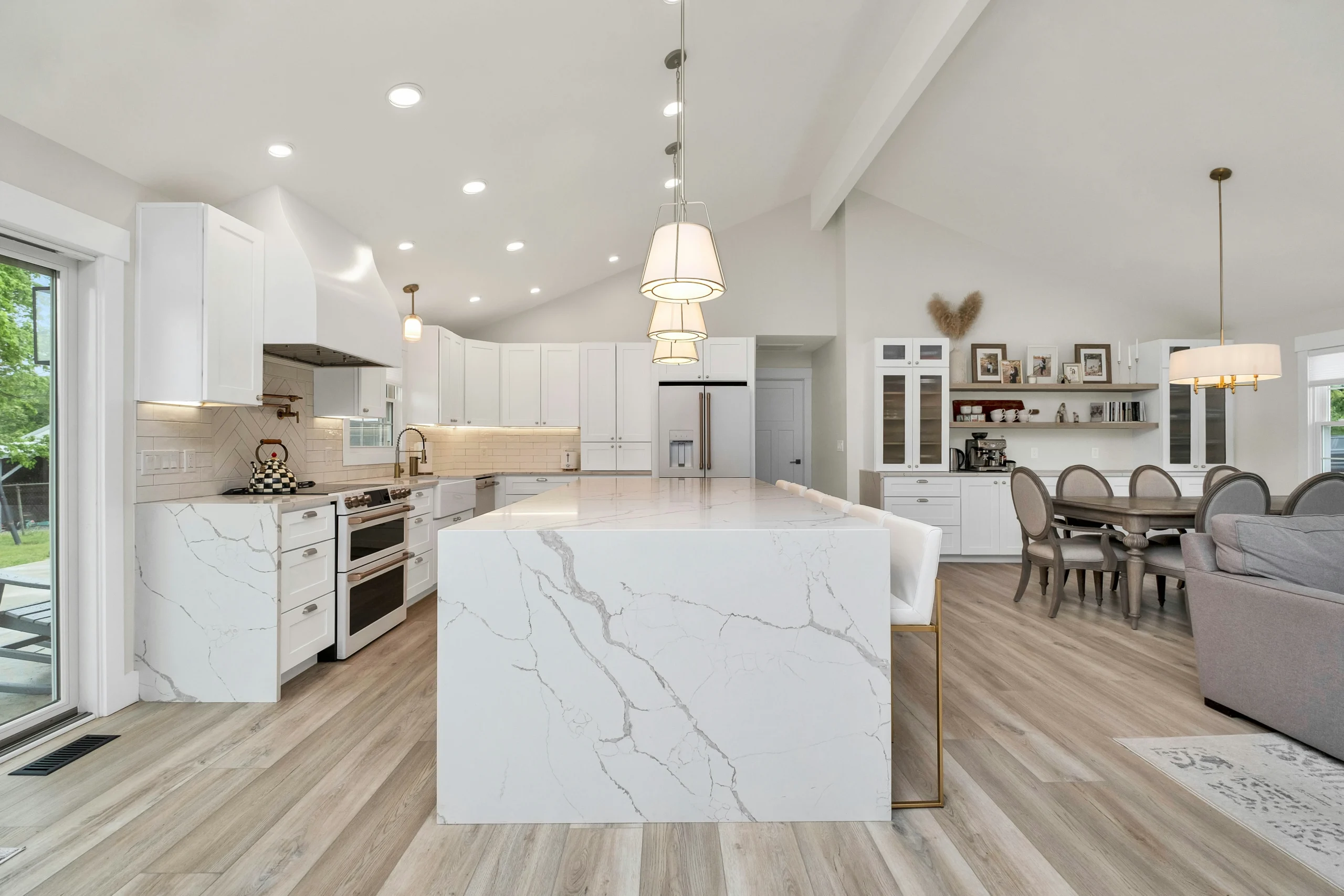
Consider a kitchen remodel that includes moving appliances. The electrical and plumbing plan needs to be reviewed before construction starts, not after demo reveals what is behind the walls. If new flooring is going into the kitchen but stops at the dining room, transitions need to be planned. If custom cabinets have a long lead time, waiting too long to finalize them can stall the entire project.
Homeowners who have been through a difficult remodeling experience often point to the same issues: surprise costs, rushed decisions, unclear responsibility, and feeling caught between people who were not communicating clearly. Early, organized planning brings those concerns into the open before they become problems mid-project.
At Ntegrity Builders, we would rather slow down during planning than rush into construction with loose assumptions. It may not feel as exciting as demolition day, but this is where many preventable problems are either caught early or accidentally carried into the job.
The projects that run the smoothest are rarely the ones with the simplest ideas. They are the ones where scope, budget, selections, and trade coordination are talked through early. When those pieces are skipped or rushed, the homeowner usually feels it later through delays, change orders, or decisions that have to be made under pressure.
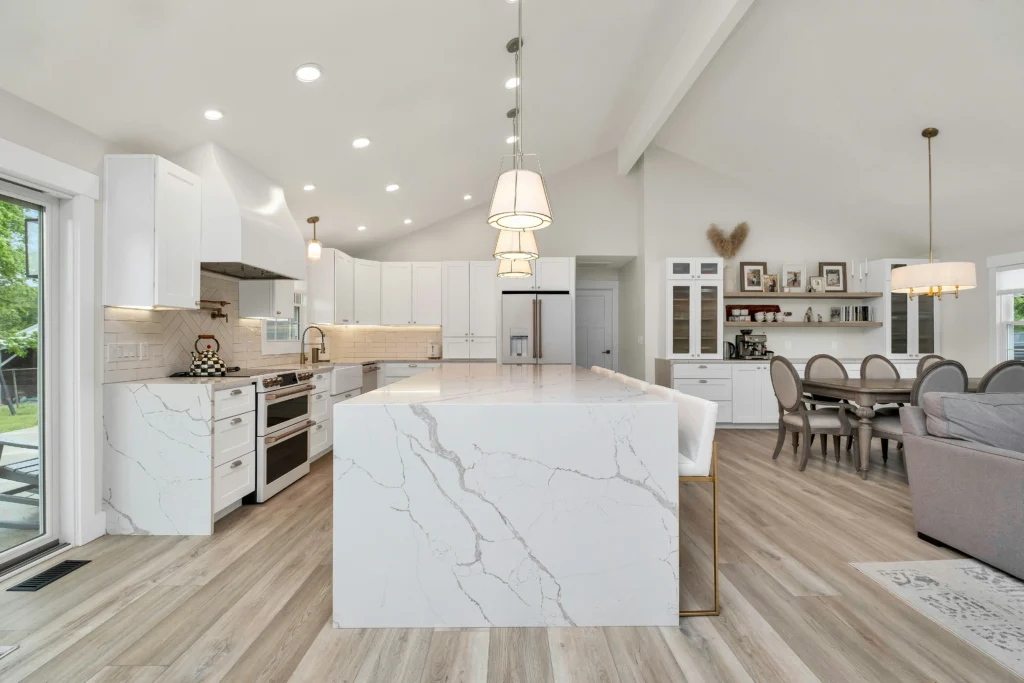
A well-executed project starts long before the finish work is installed.
Before a larger remodel or construction project moves forward, early planning may include looking at:
Budget is one of the most common sources of friction in remodeling — not because homeowners are unrealistic, but because the connection between decisions and costs is often not made visible early enough.
A budget conversation isn’t just about asking how much something will cost. It’s about making sure the vision, scope, and selections are all pointed in the same direction before construction begins. When those things are misaligned, homeowners can end up facing hard decisions after they have already pictured the finished space — which is a frustrating and avoidable position to be in.
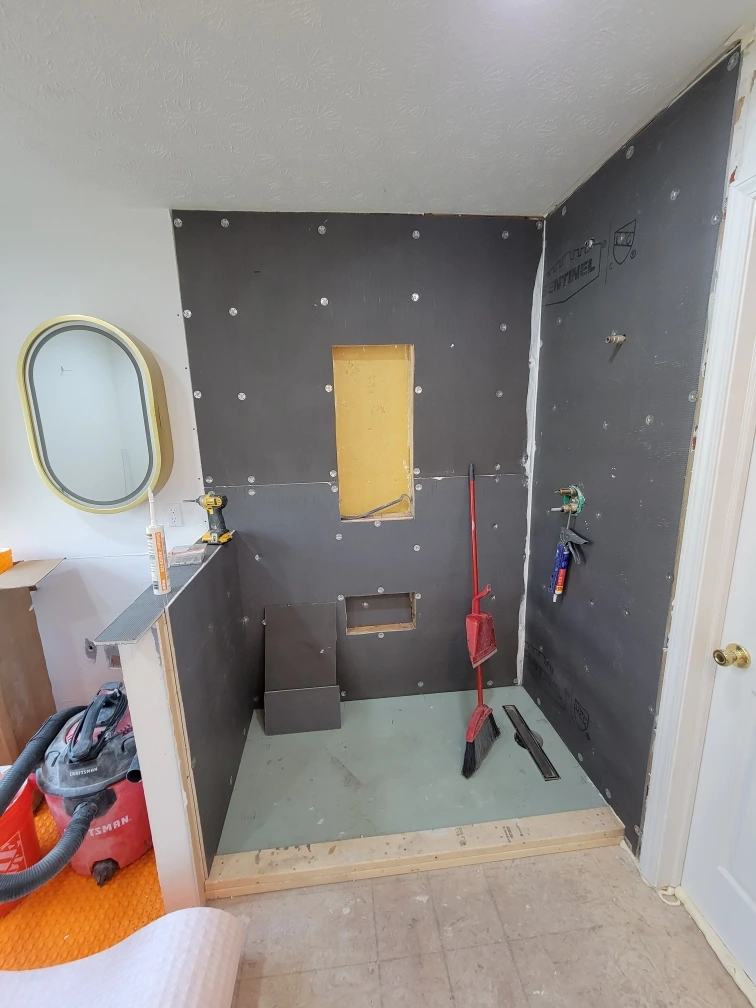
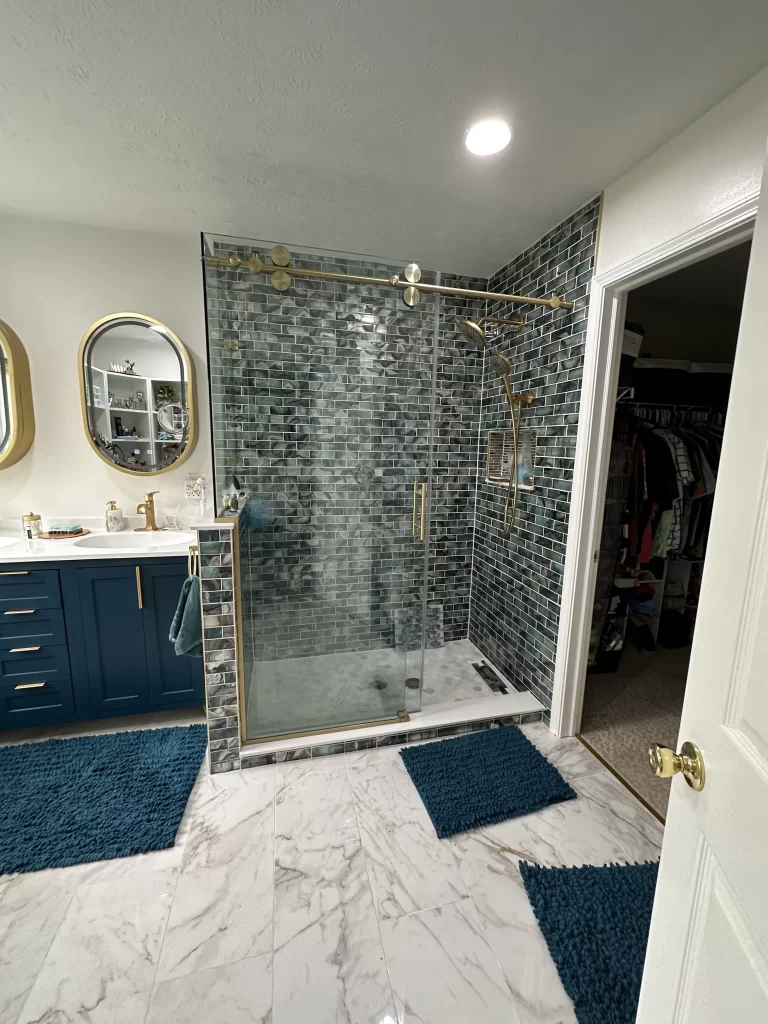
Take for example a bathroom remodeling project. A homeowner may want a custom tile shower, a freestanding tub, updated lighting, a double vanity, and heated floors. Each of those choices affects more than the visible finish. They can affect plumbing rough-in locations, electrical needs, substrate preparation, ordering timelines, and which trades are involved. When all of those choices are stacked together and priced late, the number can feel like a surprise — even when it shouldn’t have been.
A better process brings budget awareness into planning early, so priorities can be sorted before anything is set in stone. Some decisions may be worth the full investment. Others may need to be adjusted or phased. Either way, the homeowner deserves to understand the tradeoffs before construction begins — not after demo has already started.
Working through budget alignment early also helps avoid one of the most disruptive patterns in remodeling: scope changes that happen after work is underway. Changes mid-project usually cost more, take more time, and create more stress than the same decision made earlier during planning.
What Homeowners Often Miss
The visible finish is only part of the investment. Behind the tile, cabinets, fixtures, and flooring are rough-ins, prep work, trade sequencing, material lead times, and existing conditions that all affect cost. That is why two projects that look similar in photos can price very differently in the real world.
One of the clearest benefits of a design build process is that it treats scope, design, budget, and selections as connected conversations rather than separate ones.
In practice, remodeling decisions are rarely independent. A bathroom vanity choice affects plumbing locations. A kitchen island affects electrical planning and traffic flow. Installing a new patio door can affect framing, flooring, trim, and exterior finishes. Finishing a basement involves ceiling heights, mechanical access, moisture considerations, lighting layout, egress requirements, and how the space will actually function day to day.
When those decisions are made in isolation — or too late — the downstream effects show up as schedule delays, budget adjustments, and occasionally work that needs to be redone. When selections are delayed, materials cannot be ordered and the schedule stalls. When layout changes happen after construction is underway, costs shift. When responsibilities are not clearly defined, coordination gaps appear and the homeowner can end up managing work that should already be organized.
Connecting these decisions earlier — during planning, not during construction — is where the design build approach earns its value. It’s not about removing flexibility from the process. It’s about making sure decisions happen in the right order, with enough information to make them well.
A remodel starts before demolition. Clear scope, realistic budgeting, early selections, and steady communication help create a smoother project before the first wall is opened.
Every project is different, and the design build process will vary depending on scope, complexity, timing, and site conditions. But most larger remodeling and construction projects follow a general sequence.

The process starts with a conversation — not a sales pitch. At Ntegrity Builders, the discovery call is a two-way conversation about the home, the goals, the timeline, and what the homeowner is trying to solve.
Before the call, prospective clients are asked to share photos of the existing space along with any inspiration images they have gathered. That gives both sides something real to look at together and makes the first conversation more focused and productive.

Once a project moves forward, the next step is sorting out priorities and reviewing the real conditions of the existing home. Needs, wants, and must-haves get organized.

With priorities and conditions understood, the project takes clearer shape. What is included? What isn’t included? What decisions need to be made before work can begin?

Scope and budget are reviewed together so the homeowner can make informed decisions before construction starts.

Materials, fixtures, finishes, and other project details are resolved before construction begins.

Once construction begins, the plan guides the work. Homeowners have access to a dedicated client portal where project updates, communication, documentation, and important project information are organized throughout construction.
Understanding the design build process becomes clearer when you consider what the alternative often looks like.
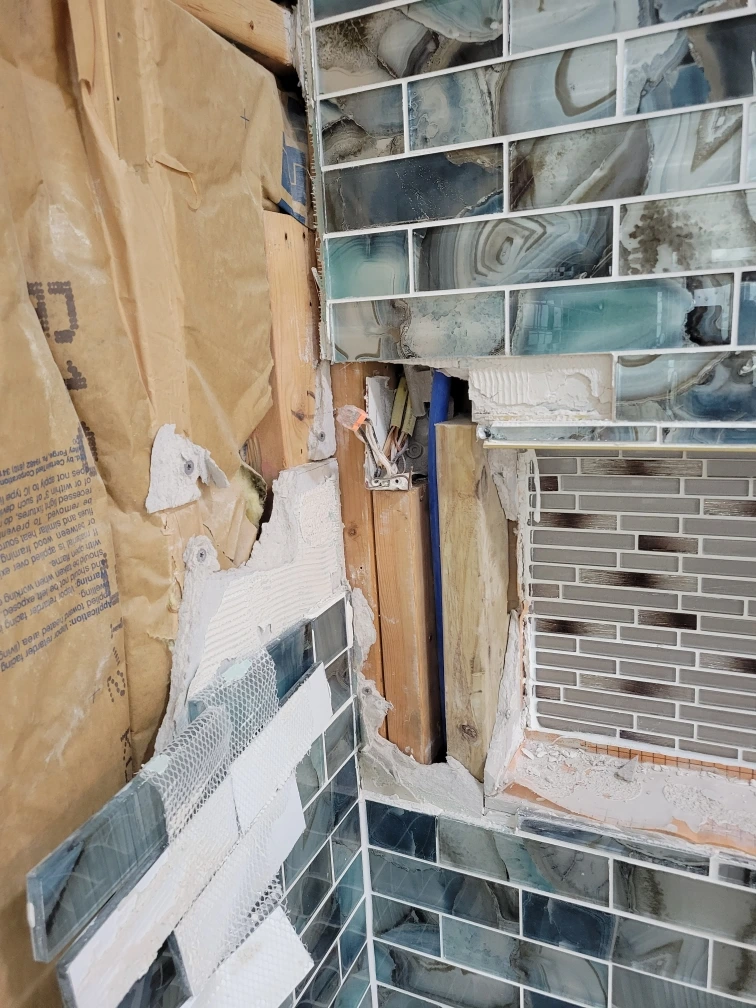
In a fragmented remodeling process, the homeowner can become the messenger. They may work with one party on layout, take that to a contractor for pricing, coordinate separately on selections, and follow up with trades who are not aware of each other’s work.
When pricing doesn’t match the design, the homeowner feels caught in the middle. When subcontractors are not working from the same information, conflicts surface on the jobsite and cost time and money to resolve. When no one is holding the full picture, small gaps become larger problems.
That is where remodeling starts to feel chaotic — not because anyone had bad intentions, but because the pieces were never connected in the first place.
A design build process reduces those gaps. The homeowner still makes the important decisions. But they are not left to manage the coordination work alone.
Ntegrity Builders is a hands-on, relationship-driven design + build general contractor based in Central Indiana, working with a trusted network of trade partners, vendors, and subcontractors built over years of project experience.
We aren’t interested in pushing a project forward just to say it has started; our focus is on starting with enough clarity that the work has a better chance of going well.
The goal is not to rush anyone into construction. It’s to help the right projects start the right way — with a clear scope, realistic expectations, honest communication, and a plan that holds up before any work begins.
Ntegrity Builders was built on the belief that a better design build process produces better projects.
Discovery calls at Ntegrity Builders are handled personally. Before the call, clients are asked to send photos of the existing space and any inspiration images they have collected.
Ntegrity Builders focuses on larger-scope remodeling and construction — kitchens, bathrooms, additions, basement finishing, outdoor living spaces, decorative concrete patios, custom builds, barndominiums, pole barns, tenant finishes, and larger home renovations. View all of our services.
A design build approach tends to be most valuable for projects that involve multiple trades, connected decisions, and a meaningful investment of time and money. The more complexity a project carries, the more a coordinated planning process matters.
Projects that aren’t a good fit include small one-off repairs, single-item installations, and projects where the primary goal is finding the lowest bid.
A design build process doesn’t eliminate every unknown. Existing homes can reveal surprises. Materials can have unexpected lead times. Weather, inspections, and field conditions can affect a project’s path in ways that cannot always be anticipated.
But a thoughtful, connected process helps reduce the problems that are preventable. When scope, budget, selections, and construction are handled together — when the right conversations happen before demolition begins — homeowners are better prepared.
A well-executed project doesn’t happen by accident. It usually starts with honest planning, realistic expectations, and a process that keeps everyone working from the same page.
Planning a larger remodel, addition, basement finish, outdoor living project, or custom build in Central Indiana?
Start with a discovery call with Ntegrity Builders. A good project starts with thoughtful conversation, realistic expectations, and a plan that makes sense before construction begins.
Design build process means the planning, design direction, budgeting, selections, and construction process are handled as a connected path rather than as separate, independent steps.
Not necessarily. The value is in better planning and clearer alignment. A coordinated process can help homeowners understand tradeoffs early, make informed decisions, and avoid expensive changes caused by unclear scope or selections.
It tends to be especially helpful for larger remodels, additions, basement finishing, kitchens, bathrooms, outdoor living spaces, and custom builds because these projects involve many connected decisions.
It starts with a discovery call — a casual conversation about your project, your goals, and your home. Before the call, you are asked to share photos of the existing space and any inspiration images you have gathered.
Ntegrity Builders is a good fit for larger planned remodeling and construction projects, including kitchen remodels, bathroom renovations, home additions, basement finishing, outdoor living spaces, custom builds, and larger home renovations.
No. Ntegrity Builders is not a handyman service. The focus is on larger-scope remodeling, renovation, and construction projects where planning, coordination, craftsmanship, and clear communication matter.
Planning before construction helps connect the scope, budget, selections, schedule, and trade coordination before the work is underway. It gives homeowners a clearer path, reduces rushed decisions, and helps avoid preventable changes once the project is already in progress.
Yes. A design + build process helps homeowners understand how layout choices, materials, selections, and site conditions affect the overall investment. That makes it easier to prioritize what matters most, adjust the scope when needed, and make informed decisions before construction begins.
We use cookies to improve your browsing experience and analyze site traffic. By continuing, you agree to our use of cookies.
Websites store cookies to enhance functionality and personalise your experience. You can manage your preferences, but blocking some cookies may impact site performance and services.
Essential cookies enable basic functions and are necessary for the proper function of the website.
Statistics cookies collect information anonymously. This information helps us understand how visitors use our website.
Google Analytics is a powerful tool that tracks and analyzes website traffic for informed marketing decisions.
Service URL: policies.google.com (opens in a new window)
You can find more information in our Cookie Policy and Privacy Policy.