
What to Know About Remodeling Costs in Central Indiana
A practical guide to remodeling investment ranges, cost drivers, estimates, allowances, and budget planning for Central Indiana homeowners.
Kitchen Refresh
$45K-$75K
Full Kitchen Remodel
$80K-$140K
Custom Kitchen
$150K+
Hall Bathroom Remodel
$35K-$55K
Primary Bathroom Remodel
$65K-$110K+
Primary Reconfiguration
$80K-$110K+
Planning ranges are not final quotes. Final pricing depends on scope, selections, existing conditions, and trade requirements.
- Last Updated:
- | Central Indiana Remodeling Cost Guide
QUICK ANSWER
This guide explains remodeling costs in Central Indiana by project type, scope, selections, and existing conditions.
Remodeling Cost Ranges in Central Indiana
Remodeling costs in Central Indiana vary significantly by project type and scope. The ranges below are planning ranges, not final quotes.
Project Type
Range
What Affects The Range
Kitchen Refresh
$45K-$75K
Existing layout remains the same; finishes, lighting, surfaces, hardware, and coordinated updates.
Full Kitchen Remodel
$80K-$140K
New cabinetry, storage improvements, lighting, appliances, and coordinated selections.
Custom Kitchen
$150K+
Layout changes, wall modifications, custom cabinetry, expanded islands, and premium finishes.
Hall Bathroom Remodel
$35K-$55K
Guest or secondary bath with minimal layout changes.
Primary Bathroom Remodel
$65K-$110K+
Improved flow, storage, shower experience, and curated finishes.
Primary Reconfiguration
$80K-$110K
Major layout rework, plumbing relocation, custom storage, and premium selections.
Basement Finishing
$60K-$250K+
Open space, bathroom, wet bar, divided rooms, or custom lower-level finish.
Home Additions
$150K-$600K+
Foundation, roof tie-in, exterior matching, utility extensions, and structural coordination.
Whole-Home Renovations
$150K-$600K+
Multi-room updates, systems, finishes, layout changes, and larger-scope coordination.
Planning ranges are not final quotes
These remodeling costs in Central Indiana are planning ranges, not final quotes. Final pricing depends on scope, selections, existing conditions, site access, trade requirements, current material costs, and whether plumbing, electrical, HVAC, structural, or layout changes are involved.

Cost Framework
Typical Remodeling Investment Ranges in Central Indiana
At Ntegrity Builders, we would rather have a realistic budget conversation early than let a homeowner build expectations around numbers that do not match the actual scope.
The cost of a remodeling project depends heavily on what you are actually changing. A kitchen refresh is not the same as a custom kitchen. A hall bathroom is not the same as a primary bathroom reconfiguration. A smaller addition is not the same as a suite addition with plumbing, roofing, structural, and exterior tie-ins.
COST DRIVERS
The Main Factors That Drive Remodeling Costs
Understanding what actually affects remodeling costs helps you see why estimates vary and where budget decisions matter.Remodeling costs in Central Indiana vary significantly by project type and scope. The ranges below are planning ranges, not final quotes.
Scope of Work
The biggest cost factor is what the project actually includes. A refresh that keeps the same footprint is very different from a remodel that changes layout, utilities, or structure.
Layout Changes
Moving walls, changing room flow, adding an island, or reconfiguring a bathroom usually increases cost because more planning, labor, and trade coordination are involved.
Material and finish selections
Cabinetry, countertops, tile, flooring, fixtures, lighting, and appliances all affect the final investment. Higher-end selections can shift a project quickly.
Trade Coordination and Labor
Projects involving plumbing, electrical, HVAC, carpentry, tile, or structural work require more scheduling and coordination than simple surface updates.
Hidden Conditions
Outdated wiring, older plumbing, water damage, uneven framing, or moisture-related concerns can change what the project requires once work begins.
Plumbing, Electrical, and HVAC Changes
Outdated wiring, older plumbing, water damage, uneven framing, or moisture-related concerns can change what the project requires once work begins.
Project Size and Complexity
Larger projects usually cost more overall, but smaller rooms like bathrooms can have a high cost per square foot because many trades and fixtures are concentrated in one area.
Time on Site and Project Management
Longer or more complex projects require more coordination, communication, sequencing, and oversight to keep the work organized and moving forward.
BEHIND THE NUMBER
What Your Remodeling Investment Actually Covers
When you see a kitchen remodel priced at $100,000, that isn’t all cabinets and tile. A remodeling investment often includes planning, demolition, prep, skilled labor, materials, rough-ins, project management, permits or inspections when applicable, jobsite protection, cleanup, and contingency for unknowns.
What Homeowners Often Miss
The visible finish is only part of the investment
Rough-ins, prep work, existing conditions, trade coordination, and project management all affect what it takes to complete the work well.
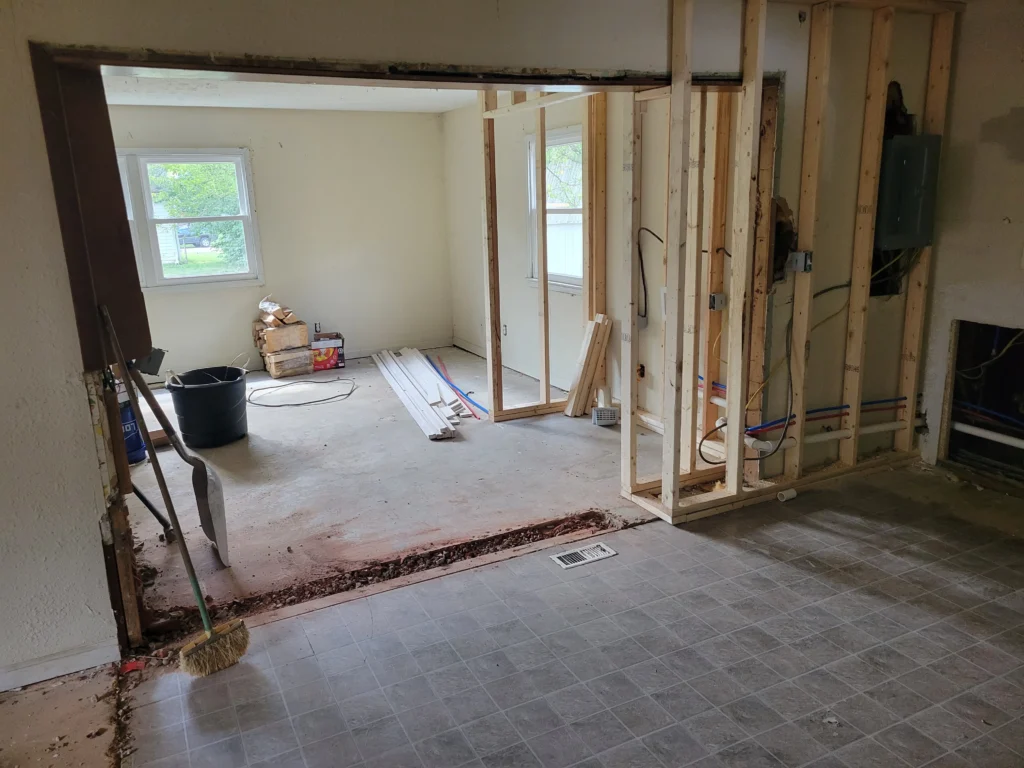
PROJECT TYPE
Kitchen remodeling in Central Indiana typically follows three planning ranges: kitchen refresh, full kitchen remodel, and custom kitchen.
Kitchen Refresh
Existing layout works; new finishes, fixtures, lighting, surfaces, hardware, and coordinated updates without major layout changes.
Full Kitchen Remodel
Improved storage, updated layout, new cabinetry, better lighting, and coordinated selections.
Custom Kitchen
Layout changes, wall modifications, structural considerations, custom cabinetry, expanded islands, and premium finishes.
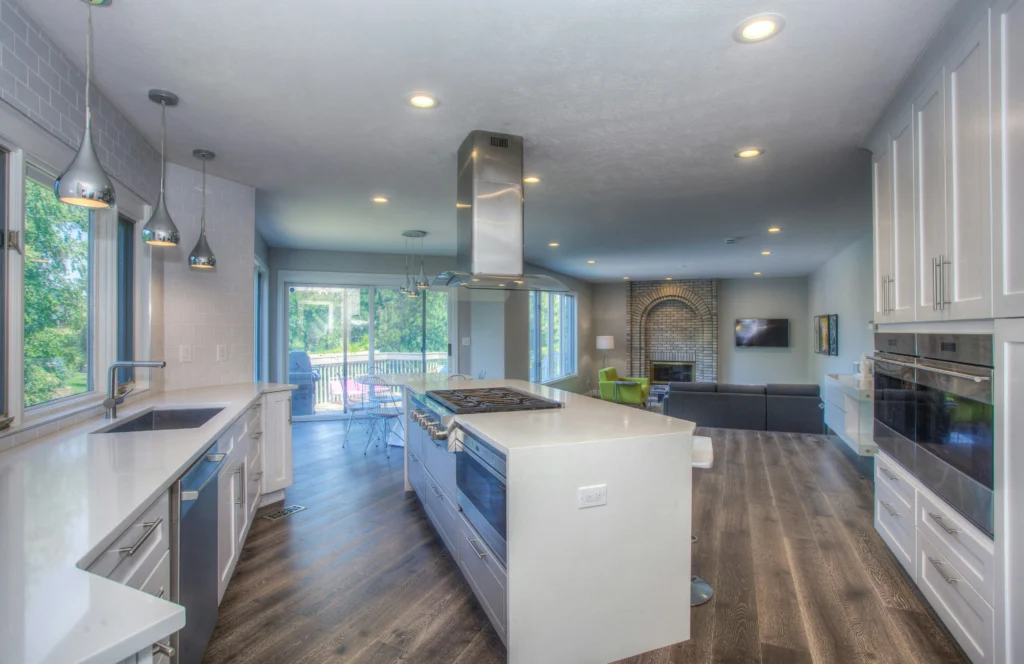
Kitchen Cost Drivers
Kitchen remodeling costs depend heavily on cabinetry, layout changes, lighting, appliances, and behind-the-scenes trade work.
PROJECT TYPE
Bathroom remodeling varies by size, fixture changes, tile scope, waterproofing, plumbing work, and finish level.
Hall Bathroom Remodel
Existing layout works; new finishes, fixtures, lighting, surfaces, hardware, and coordinated updates without major layout changes.
Primary Bathroom Remodel
Improved storage, updated layout, new cabinetry, better lighting, and coordinated selections.
Primary Reconfiguration
Layout changes, wall modifications, structural considerations, custom cabinetry, expanded islands, and premium finishes.
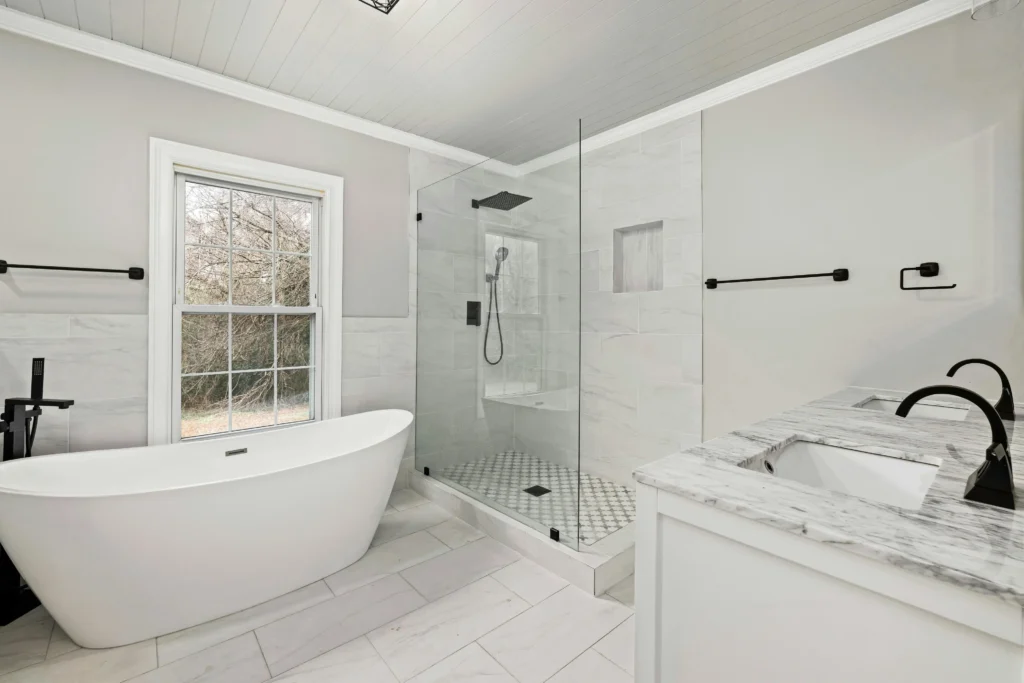
Bathroom Cost Drivers
Bathroom remodeling costs are shaped by tile and flooring selections scope, plumbing, waterproofing, fixtures, ventilation, and how much layout change is involved.
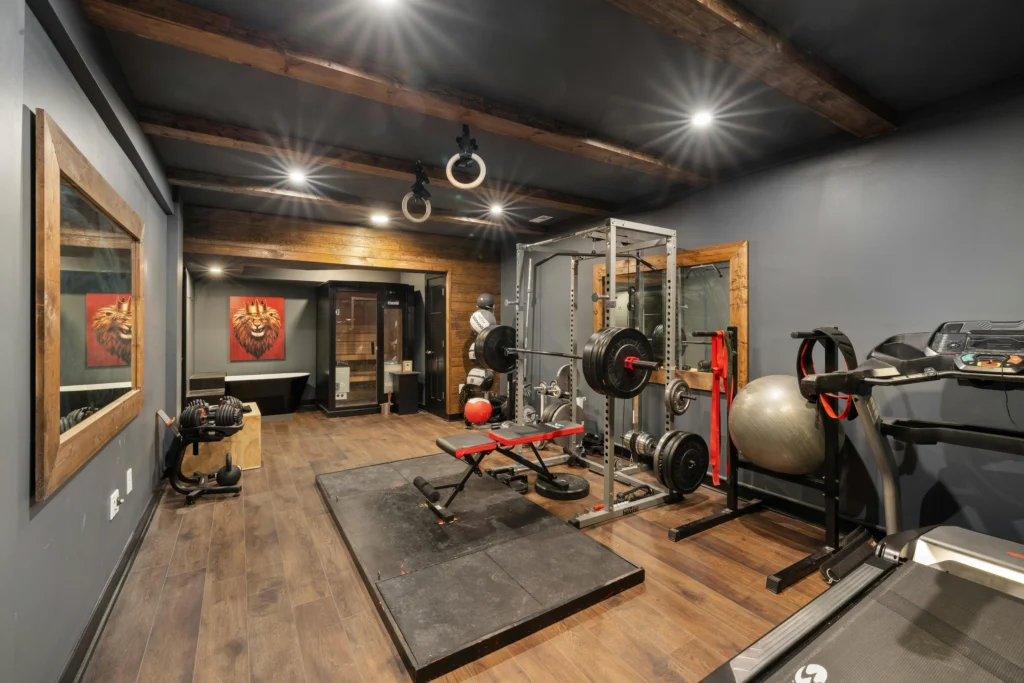
Project Type
Basement Finishing Cost Ranges
Basement finishing can range from an open finished living area to a custom lower level with bathrooms, wet bars, divided rooms, and complex mechanical planning.
Open finished space: $60K–$95K
With bathroom, wet bar, or divided rooms: $100K–$175K+
Larger custom basement: $175K–$250K+
Project Type
HOME ADDITION COST RANGES
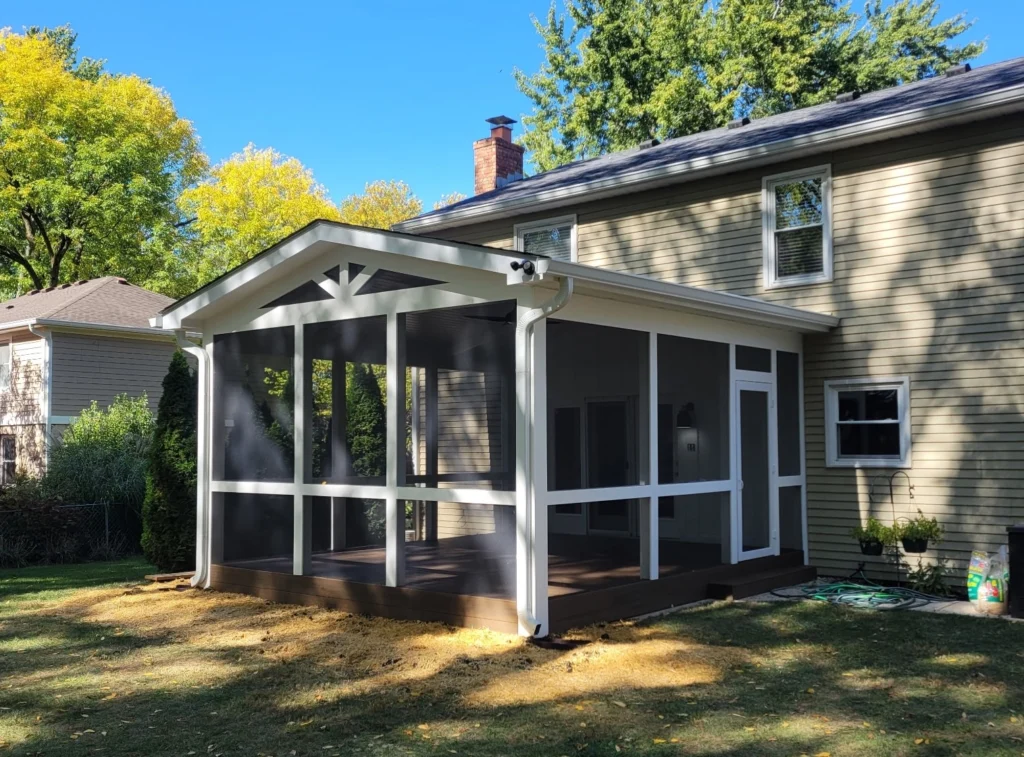
Additions are substantial investments because of foundation, roofing, structural work, exterior matching, and utility requirements.
Smaller addition: $150K–$250K
Larger addition: $250K–$450K+
Complex addition: $350K–$600K+
ESTIMATE CLARITY
How Selections and Allowances Affect Remodeling Costs
One of the most common sources of cost surprises is how allowances are handled. An allowance is a dollar amount set aside in the estimate for a specific item — cabinets, countertops, tile, appliances, fixtures, or flooring.
If an estimate includes a cabinet allowance that is lower than the cabinetry you actually choose, the final cost will increase. The same can happen with tile, fixtures, appliances, countertops, flooring, or lighting.
NTEGRITY BUILDERS PERSPECTIVE
A low allowance can make an estimate look better than it really is
Allowances are placeholders for selections that have not been finalized yet. If the placeholder is too low for the cabinets, tile, fixtures, flooring, or lighting you actually want, the estimate may look reasonable at first but change later. Clear allowances help homeowners compare estimates more honestly.
COMPARING NUMBERS
What to Look for in a Remodeling Estimate
A clear estimate helps you understand whether you are comparing the same scope across different contractors.
A good estimate should clarify:
Major cost categories
Major cost categories
What's included and excluded
Key assumptions
Change order process
Timeline expectations
Permits or inspections if needed
Payment schedule or milestones
Process
How Design + Build Helps Clarify Cost
In a design + build process, the contractor is involved early, helping you understand what is realistic and what different choices cost. Selections get discussed before construction starts, not discovered mid-project. Budget gets tied to actual scope, not guesses.
This does not magically make every project cheaper. But it can reduce preventable surprises by aligning expectations earlier.
Frequently Asked Questions
Should I choose the lowest remodeling estimate?
No. The lowest estimate is not automatically wrong, but it should be reviewed carefully. Make sure it includes the same scope, finish level, allowances, assumptions, and trade work as the other estimates you are comparing. A lower number may simply leave important details undefined.
How can I tell if a remodeling estimate is missing important details?
Look for vague language, unclear allowances, missing exclusions, limited detail about materials, and no explanation of how changes are handled. A clear estimate should help you understand what is included, what is not included, and what decisions still need to be made.
What questions should I ask a contractor before moving forward?
Ask how they define scope, how selections are handled, what allowances are included, how change orders work, what could affect the timeline, and how communication will happen during the project. The answers should make the process feel clearer, not more confusing.
Why do some contractors turn down smaller projects?
Some contractors are set up for larger, more coordinated projects that involve planning, scheduling, trades, and project management. Smaller one-off repairs may not fit their process, team structure, or schedule. Ntegrity Builders is generally best suited for larger-scope remodels, additions, basement finishes, kitchens, bathrooms, and renovations.
How long should I expect to wait for a good contractor?
A reputable contractor may not be available immediately, especially for larger remodeling projects. Some wait time can be normal when a company is managing active projects carefully. What matters is whether they communicate clearly, set realistic expectations, and help you understand the next step.
What should I do after receiving a remodeling estimate?
Review the scope, allowances, exclusions, assumptions, and payment schedule before focusing on the bottom-line price. Then ask follow-up questions about anything unclear. A good contractor should be willing to explain the estimate in plain language.
What makes a good general contractor different from others?
A good general contractor does more than coordinate labor. They help define scope, communicate clearly, manage expectations, organize trades, address problems honestly, and help homeowners make practical decisions before and during construction.
What are red flags when reviewing a contractor’s quote?
Be cautious if the quote is very vague, unusually low, missing written details, unclear about allowances, or avoids explaining exclusions and change orders. A quote should create clarity, not pressure you into a decision.
Planning a Remodel Project in Central Indiana?
Planning a larger remodel, addition, basement finish, outdoor living project, or custom build in Central Indiana?
Start with a discovery call with Ntegrity Builders. A good project starts with thoughtful conversation, realistic expectations, and a plan that makes sense before construction begins.