
Design-Build vs. Architect + Contractor: Which Is Right for Your Remodel?
Short answer: There are two broad ways to organize who designs and builds your project: work with one design-build team, or hire a designer and contractor separately. Design-bid-build is a traditional version of the separate approach, where plans are completed before contractors bid on the work. None is best for every home. The right choice depends on the project, your priorities and how involved you want to be.
Key takeaways
Option 1: Design-build
The Design-Build Institute of America (DBIA) describes design-build as a delivery method in which one entity, the design-builder, is responsible for both design and construction. In practice, the designers and builders work together from the beginning, so budget and constructability feedback shape the design as it develops.
Firms apply the idea in different ways. Ntegrity takes a coordinated approach to design and construction. For projects that require design development, we typically begin with a Design Agreement covering planning, design development, selections and scope. Once the design and scope are approved, we move toward a Construction Agreement. Smaller, straightforward projects may follow a simpler process. From your side, it’s one coordinated team and one continuous process. You can see the full process in The Design + Build Process Explained and on Our Process.
Tends to suit you if: you want one coordinated team, early budget feedback and a connected process.
Consider: the design develops within that team’s approach, so look at their completed work and ask how decisions are made.
Option 2: Architect + contractor, hired separately
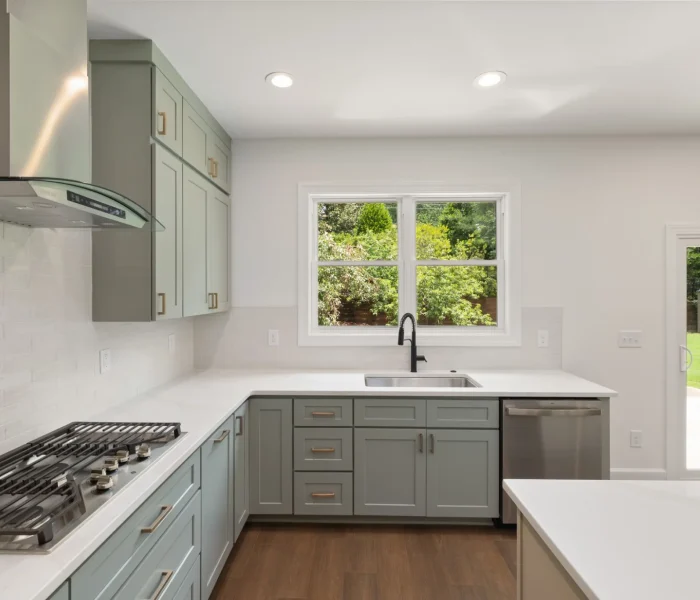
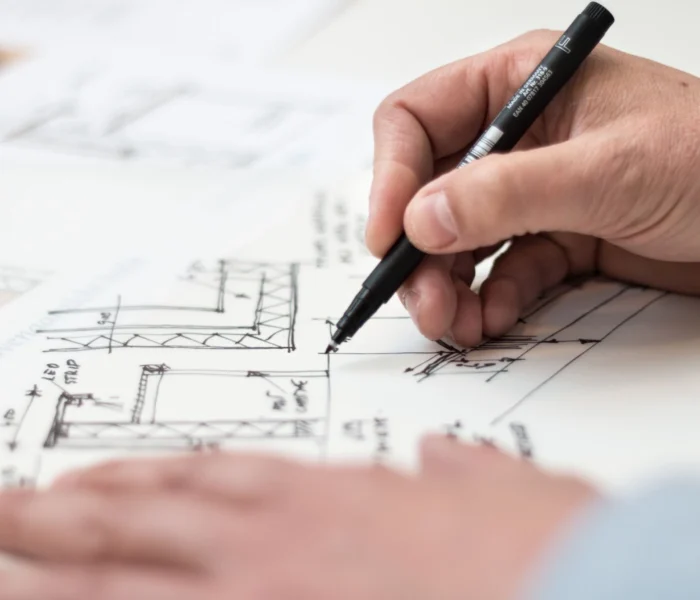
You hire an architect or designer to prepare the plans, and you hire a contractor to build them. The contractor may be chosen before, during or after design.
Tends to suit you if: you want an independent design professional, your project calls for specialized architectural design, or you already have an architect you trust.
Consider: you coordinate two firms with two contracts, and builder input on cost may arrive later. Ask how responsibility is divided where design and construction meet.
Architects and builders can make an excellent team. If you already have an architect or designer, Ntegrity welcomes the opportunity to collaborate. Learn more about our architect and designer collaboration.
OPTION 3: DESIGN-BID-BUILD
The traditional sequence: the owner hires a designer to complete the plans, then invites contractors to bid on the finished design, then contracts with the selected contractor.
Tends to suit you if: you want to compare multiple bids on a fully defined set of plans, or a formal bidding process is required.
Consider: the builder usually weighs in on cost only after the design is complete. If bids come back above your budget, the design may need to be revised.
An important distinction: Hiring an architect and contractor separately doesn’t necessarily mean waiting until the drawings are finished to involve a builder. The contractor can join during design and provide construction-cost feedback. Design-bid-build follows a more traditional sequence: complete the plans first, then invite contractors to bid.
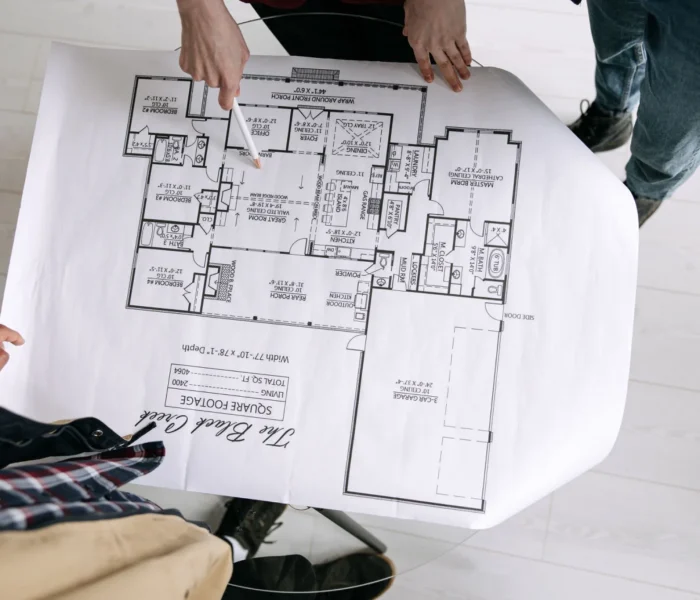
Hiring separately doesn't automatically mean design-bid-build
It’s easy to treat “architect plus contractor” and “design-bid-build” as the same thing, but they describe different decisions. Hiring an architect and a contractor separately tells you who holds each contract. Design-bid-build tells you the order in which things happen.
When you hire separately, the contractor can join the project at several points:
- After the plans are complete, through competitive bidding. This is design-bid-build.
- After the plans are complete, by selection and negotiation. You choose a contractor directly and agree on a price without a formal bid.
- During design. The builder reviews early drawings for cost and constructability while the architect is still developing them.
Each of these can work well. The difference is when the person who will actually build the project sees the design, and how much room is left to adjust it when they do. If you like the independence of a separate architect but want cost feedback sooner, ask the architect and the contractor whether they’re comfortable working together before the drawings are finished.
Side by Side
Comparing Project Arrangements
| Design-Build | Architect + Contractor | Design-Bid-Build | |
|---|---|---|---|
| Who designs | Design-Build team | Architect or designer you hire | Designer you hire |
| Who builds | Same team | Contractor you hire | Contractor selected by bid |
| When the builder gets involved | At the start | Varies | After plans are completed, at bidding |
| Contracts | Varies by firm | Separate contracts | Separate contracts |
| Cost feedback during design | Built into the process | Possible if builder joins early | Usually after plans, when bids arrive |
| Your role | Make decisions with one team | Coordinate designer and builder | Oversee bidding and builder selection |
What each approach asks of you as the homeowner
Every approach asks you to make decisions. What changes is how many people you’re coordinating, who you hear from, and when.
Design-Build
Your decisions generally move through one team. You typically work with the same group from the first conversation through construction, so questions about design, budget and schedule are usually answered in the same place.
You still decide on layout, finishes and priorities, but you aren’t carrying information between a designer and a builder. The tradeoff is that you’re relying on one firm’s approach, so it’s worth understanding how that firm presents options and handles disagreements.
Architect + Contractor, Hired Separately
You’re usually the link between two firms with two contracts. The architect answers to you on design; the contractor answers to you on construction.
You may be asked to settle questions that sit between them, such as whether a drawing detail can be built as shown, or what a change will do to the budget. Many homeowners value that independence, and a good architect and builder will communicate directly with each other. It helps to agree up front how that communication will work.
Design-Bid-Build
You take on a distinct responsibility at the bidding stage: reviewing the bids, comparing them fairly and choosing a builder. Bids are easiest to compare when the plans and specifications are complete, so most of your design decisions are made before pricing begins.
If a bid comes in higher than expected, you decide whether to adjust the scope, revise the design or explore other options.
When budget and constructability feedback enter the process
Constructability means how a design will actually be built: how walls are framed, where ductwork and plumbing can run, how the work is sequenced, and how long materials take to arrive.
Budget feedback and constructability feedback tend to arrive together, because the people who build a project are usually the ones who can best estimate it.
Design-Build
Designers and builders work together from the start, so cost and constructability input typically arrives while the design is still developing and easy to adjust.
Architect + Contractor, Hired Separately
It depends on when the contractor joins. If the builder reviews early drawings, input can arrive during design. If the builder is hired after the plans are finished, it arrives later.
Design-Bid-Build
The first full set of contractor pricing usually arrives when the bids come back, after the plans are complete. If the numbers exceed the budget, the design may need to be revised before construction can begin.
Timing matters, but it isn’t everything. A budget check is an estimate based on the information available at that point, and it becomes more reliable as the drawings and selections become more complete. Whichever approach you choose, ask how and when your budget will be checked, and what happens if the numbers come in higher than you hoped.
Design changes, scope and who coordinates what
Most remodeling frustration doesn’t come from the headline decision. It comes from the middle of the project: a change requested after pricing, a detail that doesn’t match an existing condition, or two people each assuming the other was handling something.
A few things are worth settling no matter which approach you choose.
Define the scope clearly
Scope is the written description of what is included. The more specific it is about what’s in and what’s out, the fewer surprises appear later.
Ask how selections (fixtures, cabinets, flooring and so on) and allowances are handled, since open selections are a common source of changes in price.
Expect changes, and decide how they’ll be handled
Changes made on paper during design are generally easier than changes made after materials are ordered or work has started. Ask how each firm documents changes, how they’re priced, and who approves them before work proceeds.
Know who coordinates the gaps
In older homes, walls, framing, wiring and plumbing can reveal conditions that no drawing anticipated. Whether the architect, the contractor or you are expected to resolve the difference between the drawings and what’s actually behind the walls should be clear in the agreements.
With a single design-build agreement, that responsibility may sit with one firm. With separate agreements, read how each contract divides it.
Keep the paper trail
Whoever you hire, keep a written record of decisions, selections and changes. Good firms do this routinely, and it protects everyone.
Three paths for one Central Indiana kitchen remodel
HYPOTHETICAL EXAMPLE. NOT AN NTEGRITY BUILDERS’ CLIENT PROJECT.
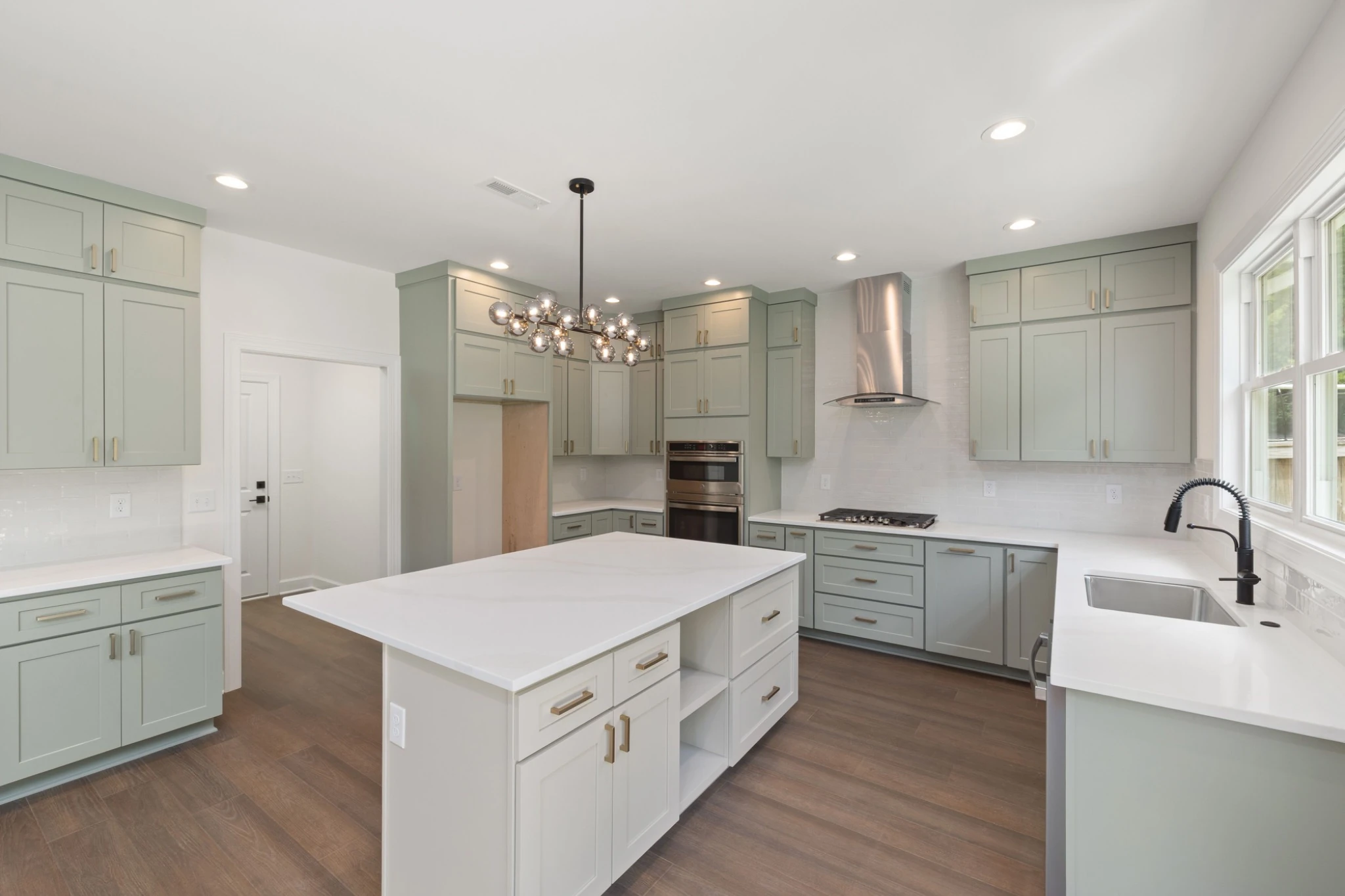
Imagine a homeowner in the Central Indiana area with a two-story house built in the 1990s. They want to open the wall between the kitchen and dining room, update the kitchen and add a small mudroom off the garage. This illustration shows how the process could differ. It isn’t a real project, and the cost and timeline of any real project depend on many factors.
With design-build, the homeowner meets with one team. During design, the builder checks the wall they hope to remove and finds it may be carrying load from above. That affects the design and the budget while the plans are still being drawn, so the homeowner sees the cost of the structural work, along with some alternatives, before the drawings are final.
With an architect and a contractor hired separately, and the builder joining during design, the homeowner hires an architect and brings in a contractor while the drawings are still in progress. The architect designs the opening, and the contractor flags how the structure would be handled and offers early cost input. The homeowner coordinates two firms, but the feedback arrives before the plans are final.
With design-bid-build, the architect completes the drawings, and the homeowner sends them to several contractors for bids. When the bids come back, the structural work and the mudroom push the total above what the homeowner had planned. The homeowner now chooses between trimming the scope, asking the architect to revise the drawings (which can take more time and additional design work), or reconsidering the project.
Any of these paths can end well. The difference is when the information shows up, and who is responsible for acting on it.
Which should you choose?
The right fit usually comes down to a few questions: how much coordination you want to manage yourself, how early you want cost feedback, whether you already have a design professional you trust, and whether you need formal bids.
Each approach fits a different situation. Use the cards below as a starting point, and the table above for the details.
01
Design-Build
One coordinated team from planning through construction.
Best fit: you want one point of contact, early budget and constructability feedback, and a connected process.
Tradeoff: the design develops within one firm’s approach, so look at their completed work and ask how decisions are made.
Decision cue: choose this if coordination and early cost feedback matter most.
02
Architect + Contractor
Independent design leadership with a separately hired builder.
Best fit: you already have an architect you trust, or your project calls for specialized architectural design.
Tradeoff: you coordinate two firms and two contracts, and builder cost input may arrive later unless the contractor joins during design.
Decision cue: choose this if independent design leadership matters most, and ask when the builder joins.
03
Design-Bid-Build
Completed plans followed by competitive contractor bids.
Best fit: you want to compare multiple bids on a fully defined set of plans, or your project requires formal bidding.
Tradeoff: builder cost input usually comes after the design is complete, and high bids can mean revising the plans.
Decision cue: choose this if comparing bids on finished plans matters most.
Questions To Ask Any Firm
Whichever route you take, these questions help you compare firms on the things that matter most. Bring them to every conversation, and notice how clearly and openly each one answers.
Budget and scope
- How is the budget checked as the design develops?
- What is included in the scope, and what isn't?
- How are selections and allowances handled?
Agreements and changes
- What does each agreement cover, and what am I committing to at each stage?
- How are changes documented?
- Who approves a change before work proceeds?
Communication and coordination
- Who is my day-to-day contact?
- How often will we meet or get updates?
- Who resolves differences between the drawings and what's found on site?
Experience and fit
- Can I see completed projects like mine?
- How do you work with an outside architect or designer?
- Can I speak with past clients?
Where to start
If you’re weighing these options for your home, a Discovery Call is a good place to compare them against your project. If you already work with an architect, tell us about it. Bring whatever you have so far, whether that is a rough wish list, an architect’s drawings or just questions.
Not sure how to organize your remodel?
Schedule a Discovery Call to discuss your project, whether you’re starting from scratch or already working with an architect.
Frequently Asked Questions
What is design-build?
A delivery method that brings design and construction together. DBIA describes it as one entity, the design-builder, responsible for both design and construction; firms apply the approach in different ways.
What is design-bid-build?
A sequence in which a designer completes the plans, contractors bid on them, and one is selected to build.
Should I hire an architect or a contractor first?
It depends on the approach you choose and how early you want builder input on cost and constructability.
Is design-build always faster or less expensive?
Not necessarily. Design-build can bring cost and constructability feedback in sooner, which can help avoid surprises, but the cost and schedule of any project depend on its scope, the existing conditions, the selections and many other factors. No approach is the cheapest or fastest in every case.
Does hiring an architect and a contractor separately mean design-bid-build?
No. Hiring separately describes who holds the contracts. Design-bid-build describes a sequence in which contractors bid after the plans are complete. A contractor can also be selected earlier and join during design.
Can I work with my own architect?
Many builders collaborate with outside architects and designers. Ask any firm how that works. Ntegrity has a dedicated architect and designer collaboration page.
Who is responsible if something goes wrong?
It depends on how the agreements are written. Read each contract carefully and ask what each party is responsible for.
How is Ntegrity's process structured?
One coordinated team and a connected process in two stages: a Design Agreement for planning, design development and selections, then a Construction Agreement once the design and scope are approved.